

Professional manufacturer of asphalt equipment
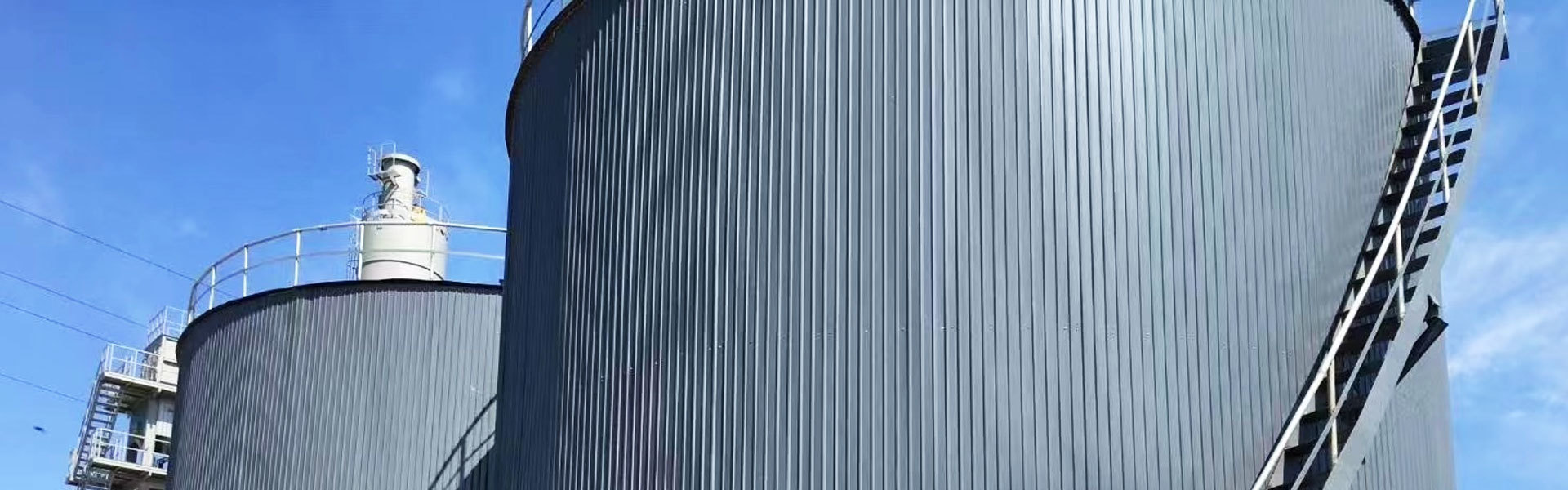
Sealed Asphalt Tank: Environmental Protection Design and Volatile Emission Control
Release Date:
Asphalt volatile emissions during storage and heating are a major environmental pain point in road construction and asphalt processing industries. Sealed asphalt tanks address this issue through profe
Asphalt volatile emissions during storage and heating are a major environmental pain point in road construction and asphalt processing industries. Sealed asphalt tanks address this issue through professional airtight structural design and integrated volatile control technology, achieving up-to-standard emission of harmful gases while ensuring stable asphalt storage, heating and transportation. This article distills the core environmental protection design points, key volatile control technologies and practical application advantages of sealed asphalt tanks, providing a practical reference for enterprises to achieve green production.
Core Airtight Environmental Protection Design of Sealed Asphalt Tanks
The environmental performance of sealed asphalt tanks is built on all-round airtight design, which eliminates volatile gas leakage in all links and lays the foundation for subsequent emission control, with key design focuses:
Integral tank airtightness: Adopt integral welding forming with full weld seam flaw detection and high-temperature sealing material filling; optimize structure to avoid gas retention dead corners, and conduct targeted sealing design for vertical/horizontal tank connection parts.
Sealed feeding & discharging system: Equip double-sealed feeding ports with anti-backflow devices and hydraulic/pneumatic airtight discharge valves; the valve core is made of high-temperature wear-resistant materials to ensure long-term sealing performance.
Auxiliary component sealing: Flange sealed connection with gasket reinforcement for heating pipes, sensors and other parts; maintenance manholes adopt multi-point locking pressure-resistant sealed covers for quick opening and reliable sealing.
Pressure balance design: Independent pressure balance system automatically adjusts internal tank pressure with temperature and material level changes, preventing tank deformation and sealing structure damage under variable working conditions.
Key Volatile Emission Control Technologies
Airtight design realizes volatile gas collection, and integrated treatment technology is the core to achieve up-to-standard emission. Sealed asphalt tanks adopt a "collection + treatment + recovery/release" system, with key technologies:
Closed negative pressure collection: Dedicated gas collection pipelines with multi-point collection ports are laid at the tank top; negative pressure technology collects over 99% of volatile gases into the treatment system, avoiding uncollected leakage.
Catalytic combustion treatment: Preheated volatile gases pass through noble metal catalyst beds (250℃-400℃), decomposing over 98% of organic hydrocarbons into harmless CO₂ and H₂O with low energy consumption and no secondary pollution.
Adsorption deep purification: Activated carbon, molecular sieve and other high-efficiency adsorption materials treat malodorous and residual small molecular gases, further purifying exhaust gas to meet environmental standards; adsorption materials are regenerable for reuse.
Waste heat recovery: Heat exchangers recycle heat from catalytic combustion to the asphalt heating system, reducing energy consumption of both the treatment system and asphalt heating, achieving environmental protection and energy saving.
Real-time online monitoring: Equip with volatile emission monitoring systems connected to environmental platforms, real-time tracking harmful gas concentration and emission flow; automatic alarm and pipeline cut-off when indicators exceed standards to ensure compliant emission.
Practical Application Advantages
Compared with traditional open/semi-sealed asphalt tanks, sealed models realize dual improvement of environmental and production benefits for enterprises:
Meet strict environmental standards: Harmful gas emission concentration is far lower than national limits, avoiding fines and production suspension risks caused by unqualified emission, complying with industrial green production requirements.
Reduce material and energy loss: Airtight design prevents volatilization of asphalt light components and material scattering; waste heat recovery saves 10%-15% of asphalt heating energy consumption, cutting raw material and energy costs.
Optimize on-site operating environment: Eliminate asphalt smoke and malodorous gas leakage, improve on-site air quality and protect the occupational health of operators.
Enhance equipment operation safety: Closed collection and treatment of flammable and explosive volatile gases eliminate contact with external air, reducing fire and explosion hazards; pressure balance and monitoring systems further improve safety.
Daily Operation and Maintenance Key Points
To maintain long-term stable environmental performance and compliant emission, standardized maintenance of airtight structures and treatment systems is essential:
Regularly inspect sealing components: Timely replace aging, damaged sealing rings, gaskets and sleeves; re-seal and reinforce connection parts to avoid gas leakage.
Maintain treatment system: Clean gas collection pipelines and heat exchangers; detect catalyst activity regularly and regenerate/replace it in time; desorb and regenerate adsorption materials to maintain purification effect.
Calibrate monitoring instruments: Regularly calibrate sensors and monitors to ensure accurate data and avoid false or missing alarms.
Standardize tank operation: Follow operating procedures for feeding, heating and maintenance; avoid violent operation that damages the sealing structure; conduct gas replacement before tank maintenance to ensure safety.
Conclusion
Under the background of upgraded industrial environmental protection requirements, sealed asphalt tanks have become the core equipment for green asphalt storage and transportation, with airtight design and volatile control technology fundamentally solving the industry's environmental pain point of asphalt volatile emissions. While helping enterprises achieve compliant emission, they also bring multiple benefits such as cost reduction, safety improvement and on-site environment optimization.
With the development of environmental protection technology, the design and control technology of sealed asphalt tanks are constantly innovating—such as high-efficiency low-temperature catalysts, recyclable adsorption materials and intelligent system control. For asphalt-related enterprises, selecting professional sealed asphalt tanks is an important measure to realize green production, comply with environmental policies and enhance core competitiveness. In the future, sealed asphalt tanks will gradually replace traditional models, becoming the mainstream of the asphalt storage and heating industry and promoting the high-quality green development of the entire industry.
LATESTS NEWS
sphalt Tank Insulation and Anti-Corrosion Design: How to Reduce Heat Loss and Extend Equipment Service Life
2026-01-09
Asphalt Tank Core Structure Analysis: Design Key Points of Insulation Layer, Heating System and Agitation Device
2025-12-15
Asphalt Tank Selection Guide: Core Decision Factors from Capacity and Material to Heating Method
2025-12-02
Emulsified Asphalt Equipment Selection Guide: How to Match Colloid Mill Types and Production Capacity to Road Construction Needs?
2025-11-24


