

Professional manufacturer of asphalt equipment
Asphalt Tank Selection Guide: Application Scenario Matching and Cost Comparison of Vertical, Horizontal and Skid-mounted Types
Release Date:
AbstractAsphalt tanks are core storage equipment for road construction and asphalt mixing plants, preserving hot-mix, modified and emulsified asphalt. Vertical, horizontal and skid-mounted types vary
Abstract
Asphalt tanks are core storage equipment for road construction and asphalt mixing plants, preserving hot-mix, modified and emulsified asphalt. Vertical, horizontal and skid-mounted types vary in structure, space use, transport convenience and cost. This guide analyzes their performance, applicable scenarios and cost composition to support equipment selection.
1. Introduction
Rational asphalt tank selection impacts storage safety, asphalt stability and construction efficiency. Scenarios demand diverse tank types: fixed large-scale storage requires large-capacity, low-heat-loss tanks; mobile road construction needs easy-to-transport models; small mixing stations seek balance between cost and space use. This guide compares three mainstream types in scenario matching and cost.
2. Structural Characteristics of Three Asphalt Tank Types
2.1 Vertical Asphalt Tank
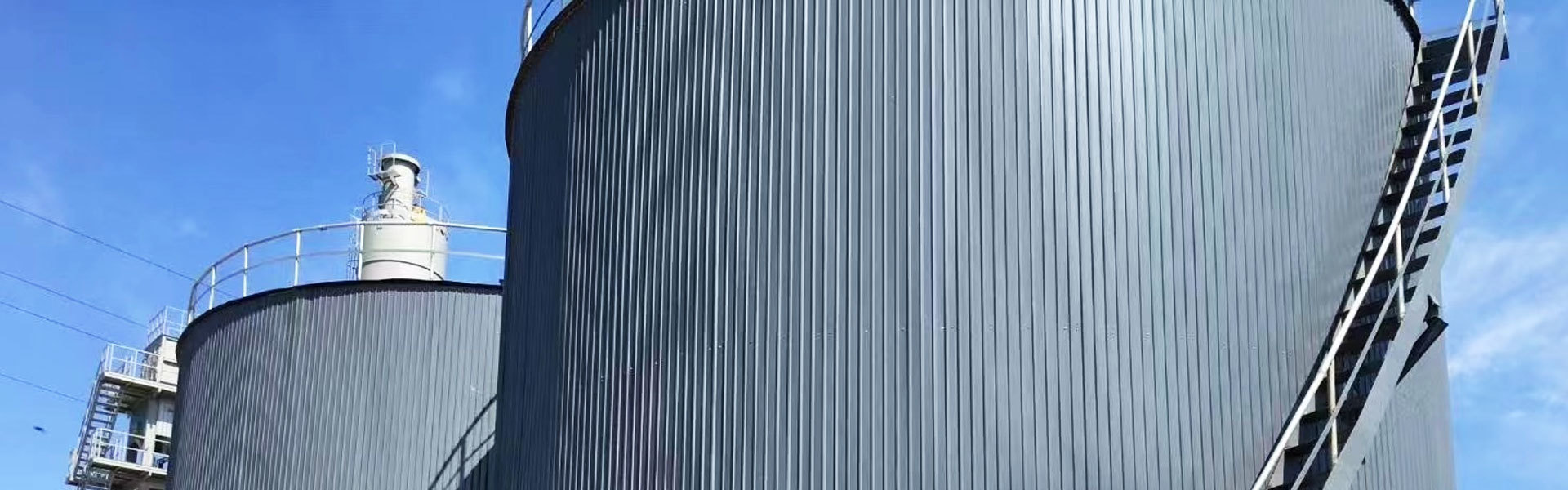
Vertical cylindrical structure with small floor area and large height-to-diameter ratio; bottom heating system and external insulation layer. Advantages: uniform heating, low heat loss (≤2℃/h), large capacity (100–500 m³), 15–20-year service life. Limitations: high foundation requirements, immovable after installation.
2.2 Horizontal Asphalt Tank
Horizontal cylindrical structure on steel supports, with axial internal heating pipes. Advantages: low installation height, easy connection to mixing station systems, medium capacity (20–100 m³), low foundation cost. Limitations: high heat loss (≤3℃/h), limited capacity expansion.
2.3 Skid-mounted Asphalt Tank
Integrated design with tank, heating system, control cabinet and pump on a steel base. Advantages: fast deployment (usable within 24 hours), flexible movement, small-to-medium capacity (5–50 m³), no professional foundation needed. Limitations: high manufacturing cost, limited large-scale storage capacity, high transportation heat loss.
3. Application Scenario Matching
3.1 Vertical Tanks
Suitable for large asphalt mixing plants, storage bases and municipal reserve centers. Matches long-term large-scale storage needs and saves plant land. Example: A 300 m³ vertical tank can supply asphalt for 50,000 ㎡ road paving with monthly heat preservation cost of only 8,000 yuan.
3.2 Horizontal Tanks
Ideal for small-to-medium mixing stations and county-level road maintenance stations. Features low installation cost and short cycle, matching daily output needs. Example: A 50 m³ horizontal tank has a 7-day installation cycle, with 30% lower investment than a vertical tank of the same capacity.
3.3 Skid-mounted Tanks
Fit emergency road repair, rural road construction and temporary mixing points. Enables quick transportation and deployment. Example: A 20 m³ skid-mounted tank can be put into use in 12 hours, cutting road closure time by 3 days.
4. Cost Comparison
Cost includes initial investment, operation and maintenance, and transportation installation costs.
4.1 Initial Investment
Vertical: 800–1,200 yuan/m³; 300 m³ tank costs ~240,000 yuan (low unit cost for large capacity).
Horizontal: 700–1,000 yuan/m³; 50 m³ tank costs 35,000–50,000 yuan (suitable for small budgets).
Skid-mounted: 1,500–2,000 yuan/m³; 20 m³ tank costs 30,000–40,000 yuan (no foundation cost).
4.2 Operation and Maintenance
Vertical: Monthly heat preservation cost 25–30 yuan/m³; annual maintenance 1%–2% of initial investment.
Horizontal: Monthly heat preservation cost 35–40 yuan/m³; annual maintenance 2%–3% of initial investment (high pipe maintenance difficulty).
Skid-mounted: Annual maintenance 3%–5% of initial investment (high system complexity, low downtime loss).
4.3 Transportation and Installation
Vertical: Sectional transport (5,000–10,000 yuan); installation cost 15%–20% of investment, cycle 15–30 days.
Horizontal: Overall transport (2,000–5,000 yuan); installation cost 5%–10% of investment, cycle 7–15 days.
Skid-mounted: Overall transport (3,000–6,000 yuan); installation cost <1% of investment, cycle 1–3 days.
5. Selection Suggestions
Clarify demand parameters: storage capacity, asphalt type and daily output.
Analyze scenario: fixed large-scale, medium-small fixed or mobile temporary.
Evaluate budget: balance initial and long-term operation costs.
Check site conditions: space, foundation bearing capacity and transport access.
Targeted suggestions:
Vertical tanks: Priority for large fixed mixing plants with sufficient budget.
Horizontal tanks: Priority for small mixing stations with limited height and tight budget.
Skid-mounted tanks: Priority for mobile emergency projects requiring fast deployment.
6. Conclusion
The three asphalt tank types have distinct advantages. Selection should match tank characteristics to project demands and balance initial and long-term costs. This guide helps managers select optimal equipment to improve storage efficiency and reduce engineering costs.
LATESTS NEWS
sphalt Tank Insulation and Anti-Corrosion Design: How to Reduce Heat Loss and Extend Equipment Service Life
2026-01-09
Asphalt Tank Core Structure Analysis: Design Key Points of Insulation Layer, Heating System and Agitation Device
2025-12-15
Asphalt Tank Selection Guide: Core Decision Factors from Capacity and Material to Heating Method
2025-12-02
Emulsified Asphalt Equipment Selection Guide: How to Match Colloid Mill Types and Production Capacity to Road Construction Needs?
2025-11-24


