

Professional manufacturer of asphalt equipment
Substrate Proportion and Anti-corrosion Insulation Coating Formula of Asphalt Tank, Integrated Heating Coil Assembly Technology
Release Date:
Asphalt tanks operate under high-temperature conditions for a long time, storing hot asphalt with strong adhesion and corrosive substances. Poor base material performance, mismatched anti-corrosion th
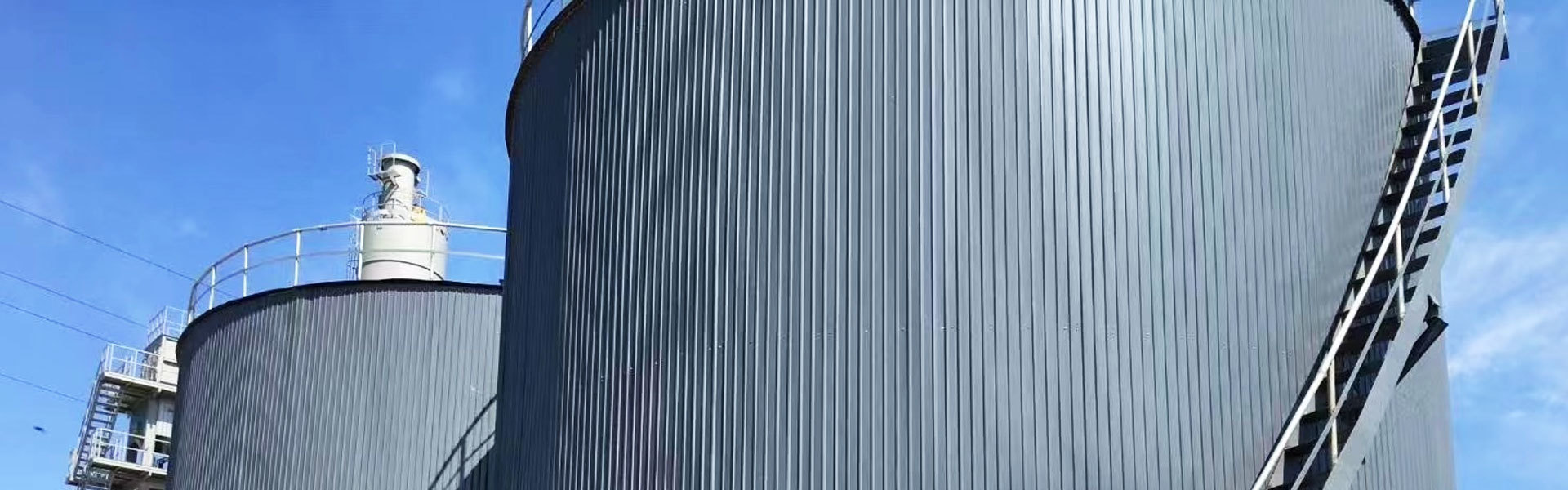
Asphalt tanks operate under high-temperature conditions for a long time, storing hot asphalt with strong adhesion and corrosive substances. Poor base material performance, mismatched anti-corrosion thermal insulation coating and unreasonable heating coil layout will lead to tank plate corrosion, serious heat loss, local asphalt coking and low heating efficiency. Optimizing steel substrate selection, developing matched anti-corrosion insulation coating system and adopting integrated heating coil assembly technology can stabilize internal asphalt temperature, extend tank service life and reduce fuel consumption during long-term operation.
The steel substrate determines the basic structural strength and high-temperature resistance of the asphalt tank. Ordinary carbon steel plates are widely used, yet plate thickness and material grade need targeted configuration according to tank volume and working temperature. Thin steel plates are prone to thermal deformation under long-term cyclic heating, resulting in welding seam stress cracking. Proper addition of trace alloy elements improves high-temperature oxidation resistance. Incoming steel plates require surface rust removal pretreatment. Uneven material quality and incomplete derusting will weaken the adhesion of subsequent anti-corrosion coatings and form hidden corrosion points. In addition, the base material welding process must be standardized to avoid welding defects that become corrosion channels.
The anti-corrosion insulation system consists of anti-corrosion primer, intermediate coating and outer thermal insulation layer, and each layer’s formula needs coordinated optimization. The inner anti-corrosion coating directly contacts high-temperature asphalt, so it must possess high temperature resistance, adhesion and anti-sticking performance. Ordinary paint will soften and peel under continuous high temperature. Modified high-temperature resistant epoxy coating is commonly adopted; fillers and curing agent proportion are adjusted to resist asphalt chemical erosion. The external thermal insulation material requires low thermal conductivity and stable compression resistance. Unreasonable mixing ratio of thermal insulation mortar will cause hollowing, pulverization and rapid attenuation of thermal insulation effect. The surface protective finish prevents rainwater penetration and atmospheric aging of the thermal insulation layer.
Interface treatment between coating and steel plate cannot be ignored. Oil, rust and oxide scale on the steel surface reduce coating bonding force. Sandblasting to reach specified roughness provides mechanical engagement for the coating. Strictly control the coating thickness of each layer; too thin coating fails to form a complete protective film, while excessive thickness raises internal stress and triggers coating cracking under temperature alternation. The coating curing time should meet technical requirements, avoiding early high-temperature baking leading to coating failure.
Integrated heating coil assembly is the core structure to achieve uniform heating. Traditional separated coil installation easily causes pipeline displacement, local poor contact between coil and tank wall, resulting in uneven heat transfer. Integrated assembly adopts positioning support brackets for overall prefabrication. Heating coils are closely arranged on the inner bottom and side wall of the tank according to heat load calculation. All supports adopt anti-slip and thermal conduction optimized structure to prevent coil vibration displacement during long-term thermal oil circulation. The welding between coil pipe and connecting header adopts full penetration welding to eliminate leakage risks of thermal medium.
Coil layout design cooperates with substrate and coating performance. The coil spacing is reasonably arranged to avoid overheating local tank plates and accelerating inner coating aging. Sufficient expansion gaps are reserved for thermal oil pipelines to absorb thermal expansion deformation under high temperature. Internal cooling or heating medium channels are arranged reasonably, preventing local dead zones where asphalt stays static and forms coking deposits. The integrated assembly mode effectively shortens on-site installation cycles and guarantees consistent layout accuracy compared with scattered field welding.
Collocation principles for different application scenarios. Large fixed asphalt storage tanks adopt thickened steel substrate, multi-layer high-temperature anti-corrosion coating and dense integrated heating coils to realize long-term stable heat preservation. Mobile small asphalt tanks pursue lightweight design, selecting high-toughness steel and compact coil layout, matched with impact-resistant thermal insulation finish. It is inadvisable to increase material thickness blindly; substrate, coating and heating system must be designed as an integral technical scheme.
Finished product inspection verifies comprehensive performance. After assembly, pressure testing is conducted for heating coil pipelines to check leakage. Coating adhesion, high-temperature resistance and thermal insulation thickness are sampled and tested. Simulated continuous heating operation test confirms whether the tank temperature distribution is uniform and no local overheating phenomenon exists. Rectification and retest are required once defects are detected before delivery.
In conclusion, high-performance asphalt tanks rely on optimized steel substrate, scientifically formulated anti-corrosion thermal insulation coating and standardized integrated heating coil assembly. The coordinated system effectively suppresses tank body corrosion, reduces heat dissipation loss, alleviates asphalt coking problems, maintains stable asphalt storage temperature, and improves the energy-saving effect and service life of asphalt storage equipment for road construction projects.
LATESTS NEWS
sphalt Tank Insulation and Anti-Corrosion Design: How to Reduce Heat Loss and Extend Equipment Service Life
2026-01-09
Asphalt Tank Core Structure Analysis: Design Key Points of Insulation Layer, Heating System and Agitation Device
2025-12-15
Asphalt Tank Selection Guide: Core Decision Factors from Capacity and Material to Heating Method
2025-12-02
Emulsified Asphalt Equipment Selection Guide: How to Match Colloid Mill Types and Production Capacity to Road Construction Needs?
2025-11-24


