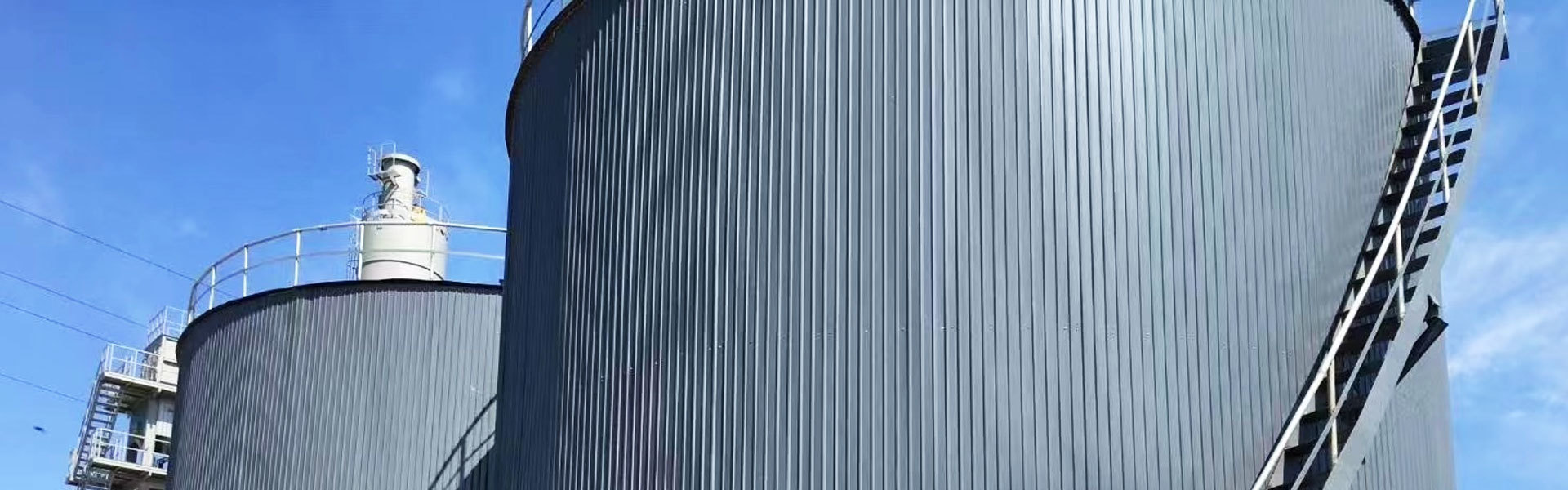
Asphalt storage tanks are core equipment in road construction, petrochemical and municipal engineering, used for storing, heating and transporting liquid asphalt. Given asphalt’s high temperature, fla
Asphalt storage tanks are core equipment in road construction, petrochemical and municipal engineering, used for storing, heating and transporting liquid asphalt. Given asphalt’s high temperature, flammability and viscosity, non-standard operation or inadequate maintenance may cause leakage, fire, explosion or equipment damage. This article outlines key safety operation specifications and daily maintenance measures, providing practical guidance for operators, managers and technicians.
1. Safety Operation Specifications
1.1 Pre-operation Preparation
Equipment Inspection: Conduct a comprehensive check of the tank body, pipelines, valves, heating system and monitoring instruments. Verify no cracks, deformation, corrosion or leakage on the tank and welds; ensure valves operate flexibly, pipeline connections are tight, and thermometers, pressure gauges and level gauges are accurate.
Heating System Check: For thermal oil/steam-heated tanks, inspect heating coils, insulation layers and circulation systems for blockage or leakage. For electric heating tanks, check heating elements for damage and ensure electrical circuits are insulated and grounded.
Safety Device Confirmation: Ensure safety valves, pressure relief valves, flame arresters and emergency cut-off valves are intact. Safety valves must be calibrated regularly to the specified pressure range.
Environment Preparation: Keep the tank area clean and unobstructed, with no flammable or corrosive materials nearby. Equip adequate fire-fighting tools (fire extinguishers, hoses, sand buckets) and ensure operators wear heat-resistant gloves, safety helmets and protective clothing.
1.2 Operation Procedures
Heating Operation: Heat gradually at 5-10℃/hour to avoid thermal stress damage. Monitor temperature continuously; the maximum operating temperature shall not exceed 180-200℃ (design limit). Check for abnormal noise, overheating or leakage during heating.
Level Control: Limit asphalt storage to ≤90% of tank volume for expansion space. Use level gauges or radar monitors for real-time tracking; control feeding flow to prevent splashing and static electricity.
Temperature and Pressure Monitoring: Continuously monitor tank temperature and pressure. If pressure exceeds the set value, the safety valve should release pressure automatically. Stop heating immediately for abnormal temperature/pressure rises and investigate the cause.
Asphalt Loading and Unloading: Ensure tight connections between the tank and transport vehicles to prevent leakage. Use explosion-proof electrical equipment in loading/unloading areas. Close valves tightly and clean spilled asphalt promptly after operation.
Emergency Operation: In case of leakage or fire, stop operation immediately, cut off power and heating sources, and activate the emergency cut-off valve. Evacuate personnel and use dry powder, foam or carbon dioxide fire extinguishers (do not use water for asphalt fires).
1.3 Post-operation Shutdown
Cooling Down: Allow asphalt to cool naturally; do not flush the tank with cold water to avoid thermal shock cracks.
Residue Cleaning: Regularly clean residual asphalt in the tank and pipelines to prevent coking. Use appropriate cleaning agents with good ventilation to avoid harmful gas accumulation.
Equipment Shutdown: Close all valves, cut off power and heating systems, and lock the operation area. Record operation status, temperature and pressure data for reference.
2. Daily Maintenance Measures
2.1 Routine Inspection and Maintenance
Daily Inspection: Check for leakage, corrosion or damage on the tank, pipelines, valves and safety devices. Record temperature, pressure and level data and address abnormalities promptly.
Weekly Inspection: Inspect the heating system, insulation layers and electrical circuits. Clean scaling on heating coils, repair damaged insulation and tighten loose electrical connections.
Monthly Inspection: Conduct a comprehensive check of the tank structure (welds, flanges, manholes) for deformation or corrosion. Use non-destructive testing (e.g., ultrasonic) for key parts if needed. Calibrate safety and pressure relief valves.
2.2 Corrosion Prevention and Protection
External Corrosion Prevention: Apply anti-corrosion paint every 2-3 years. Touch up or repaint peeling, cracked or blistered areas. Install rain shields for outdoor tanks to avoid direct exposure to weather.
Internal Corrosion Prevention: Use corrosion-resistant materials (stainless steel, lined carbon steel). Add corrosion inhibitors if necessary and regularly clean sludge and sediment from the tank interior.
Cathodic Protection: For large tanks, adopt sacrificial anode or impressed current protection. Inspect the cathodic protection system regularly to ensure functionality.