

Professional manufacturer of asphalt equipment
Large Vertical Asphalt Tank vs Horizontal Asphalt Tank Comparison
Release Date:
Asphalt storage tanks are essential equipment for asphalt mixing plants, highway engineering, road maintenance stations and waterproofing material factories. When choosing an asphalt tank, the vertica
Asphalt storage tanks are essential equipment for asphalt mixing plants, highway engineering, road maintenance stations and waterproofing material factories. When choosing an asphalt tank, the vertical or horizontal structure is one of the most important decisions. This article makes a full comparison between large vertical asphalt tanks and horizontal asphalt tanks to help you select the most suitable type.
1. Structural Difference
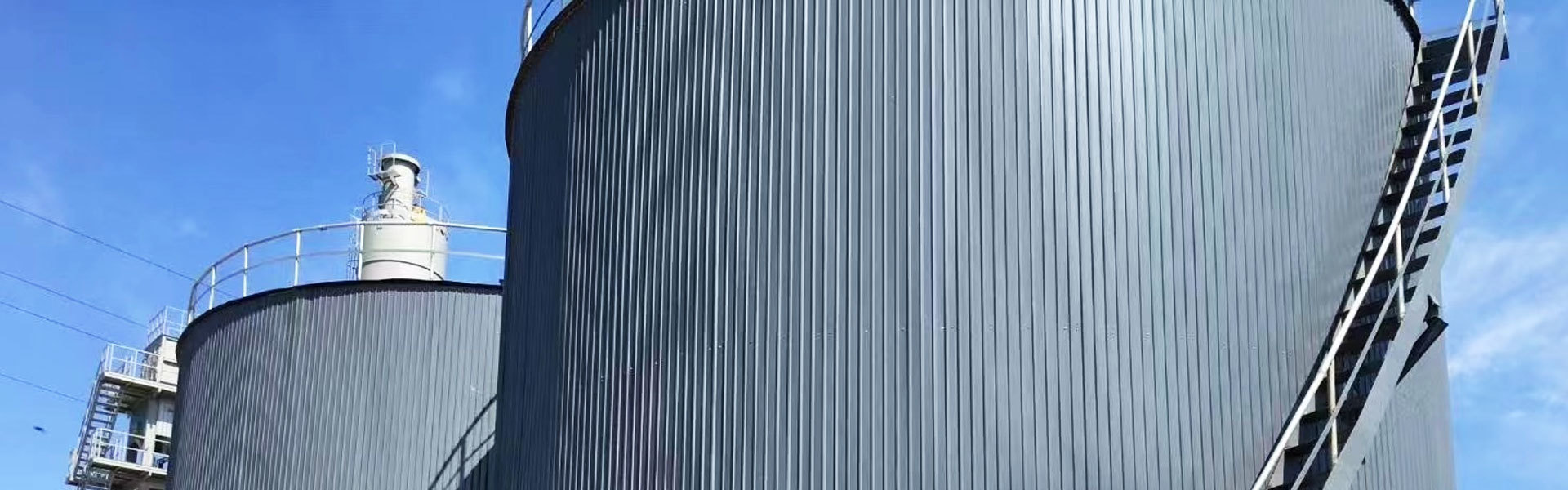
Vertical Asphalt Tank
Vertical cylinder, standing on the foundation
Tall and slim shape
Small floor area
Normally equipped with top manhole, safety ladder, insulation layer and matching pipeline system
Horizontal Asphalt Tank
Horizontal cylinder, supported by saddle or skid base
Low center of gravity, stable structure
Larger floor area but lower height
Easy to form integrated skid‑mounted structure
2. Heating and Insulation Performance
Both types use heat-conducting oil, electric heating or steam heating, with high-density insulation materials such as rock wool or polyurethane.
Vertical: Natural upward heat flow, uniform temperature distribution, good heat preservation effect.
Horizontal: Larger heating contact area, faster heating speed, more convenient for rapid heating.
3. Land Occupation
Vertical: Occupies less land area — ideal for compact or limited sites.
Horizontal: Requires wider ground space but has lower height limits.
4. Transportation and Installation
Vertical: Higher wind resistance requirements; needs solid and professional foundation. Mostly fixed installation, not easy to move.
Horizontal: Easy for road transportation and hoisting. Skid‑mounted horizontal tanks can be quickly put into use after being placed in place.
5. Capacity Application Range
Vertical: Suitable for large-capacity long-term storage, such as 50m³, 100m³, 200m³, 500m³, 1000m³ and above.
Horizontal: Mostly used for medium and small capacity, such as 10m³, 20m³, 30m³, 50m³.
6. Cleaning and Maintenance
Vertical: Higher internal space; needs internal platform or ladder for cleaning and overhaul.
Horizontal: Lower height, easier to enter and operate; more convenient for daily inspection and cleaning.
7. Recommended Application Scenarios
Choose Vertical Asphalt Tank if:
You need large-volume long-term asphalt storage
Land area is limited
The tank is for fixed base or large asphalt mixing plant
Long-term stable storage is required
Choose Horizontal Asphalt Tank if:
You need medium or small capacity
The project is mobile, temporary or frequently transferred
Quick installation and movement are required
Foundation conditions are limited
8. Conclusion
Vertical asphalt tank: Large capacity, small footprint, suitable for fixed large-scale storage.
Horizontal asphalt tank: Easy to transport, install and maintain, suitable for mobile and medium-small projects.
Users can make a reasonable choice based on site conditions, required volume, construction mode and budget.
LATESTS NEWS
sphalt Tank Insulation and Anti-Corrosion Design: How to Reduce Heat Loss and Extend Equipment Service Life
2026-01-09
Asphalt Tank Core Structure Analysis: Design Key Points of Insulation Layer, Heating System and Agitation Device
2025-12-15
Asphalt Tank Selection Guide: Core Decision Factors from Capacity and Material to Heating Method
2025-12-02
Emulsified Asphalt Equipment Selection Guide: How to Match Colloid Mill Types and Production Capacity to Road Construction Needs?
2025-11-24


