

Professional manufacturer of asphalt equipment
Daily Maintenance Tips for Emulsified Asphalt Equipment to Extend Service Life
Release Date:
Emulsified asphalt equipment is the core of road construction and asphalt emulsion production, and scientific daily maintenance is key to reducing failures, avoiding sudden downtime and extending its
Emulsified asphalt equipment is the core of road construction and asphalt emulsion production, and scientific daily maintenance is key to reducing failures, avoiding sudden downtime and extending its service life. This article compiles practical maintenance tips for key components and systems, easy for operators to implement in daily work.
1. Daily Cleaning: Prevent Caking and Blockage
Asphalt emulsion is highly adhesive and easy to solidify in pipelines, mixing tanks and discharge ports, which will block channels and increase equipment load.
Clean immediately after each use: Flush mixing tanks, pipelines, valves and nozzles with proper temperature clean water until the discharged water is clear; gently scrub caked parts with a soft brush to avoid scratching the anti-corrosion coating.
Focus on dead angles: Clean pipeline joints, elbows, valve cores and mixing shaft gaps thoroughly; disassemble and clean frequently used valve cores daily to ensure flexible operation.
Dry in time after cleaning: Open all valves and vents for natural or forced air drying, avoid residual water causing material quality problems and metal rusting.
2. Key Component Maintenance: Mixing, Sealing and Transmission Systems
These systems are the power core of the equipment, and daily maintenance focuses on inspection, lubrication and wear detection.
Mixing system: Check the tightness of mixing paddle bolts and wear degree before startup; tighten loose bolts and replace severely worn paddles in time; clean residues on the shaft and paddles after use to ensure rotation balance.
Sealing system: Inspect all sealing rings daily; replace aging or leaking seals immediately (prefer original matching parts) to avoid material leakage and air intake.
Transmission system: Check the oil level and quality of bearings and gearboxes daily; replace turbid or contaminated lubricating oil in time; add grease to bearings regularly to reduce mechanical wear.
3. Pipeline and Valve Maintenance: Ensure Unobstructed and Leak-Proof
As the "blood vessel" of the equipment, the pipeline and valve system needs focused anti-blocking, anti-leakage and anti-corrosion maintenance.
Inspect pipeline integrity: Check for cracks, corrosion and aging of metal and rubber pipelines daily; polish and repair corroded metal pipelines, replace damaged rubber hoses in time.
Maintain valve flexibility: Rotate valve cores without load daily to prevent rust and jamming; apply anti-rust lubricant to valve stems regularly; test the one-way sealing performance of check valves frequently.
Anti-freezing in low temperature: Blow dry residual water with compressed air after cleaning, wrap pipelines with insulation cotton or heating tape to avoid freezing and cracking in winter or low-temperature areas.
4. Electrical Control System Maintenance: Stable and Safe Operation
The electrical control system (motor, frequency converter, sensor, etc.) is the "brain" of the equipment, and maintenance focuses on dustproof, waterproof and connection inspection.
Dustproof and waterproof: Wipe the operation panel, distribution box and frequency converter with a dry cloth daily; check the sealing of cabinets to prevent water and dust from entering; never flush electrical parts directly with water.
Inspect electrical connections: Check the tightness of wiring terminals, cable connectors and grounding wires before startup; tighten loose parts and polish oxidized contacts in time to ensure stable connection.
Monitor equipment status: Listen for abnormal noise and check the shell temperature of the motor after startup (normal temperature ≤70℃); stop the machine immediately for inspection if overheating or vibration occurs; calibrate sensors and meters regularly to ensure accurate parameter control.
5. Storage System Maintenance: Protect Tank Body and Material Quality
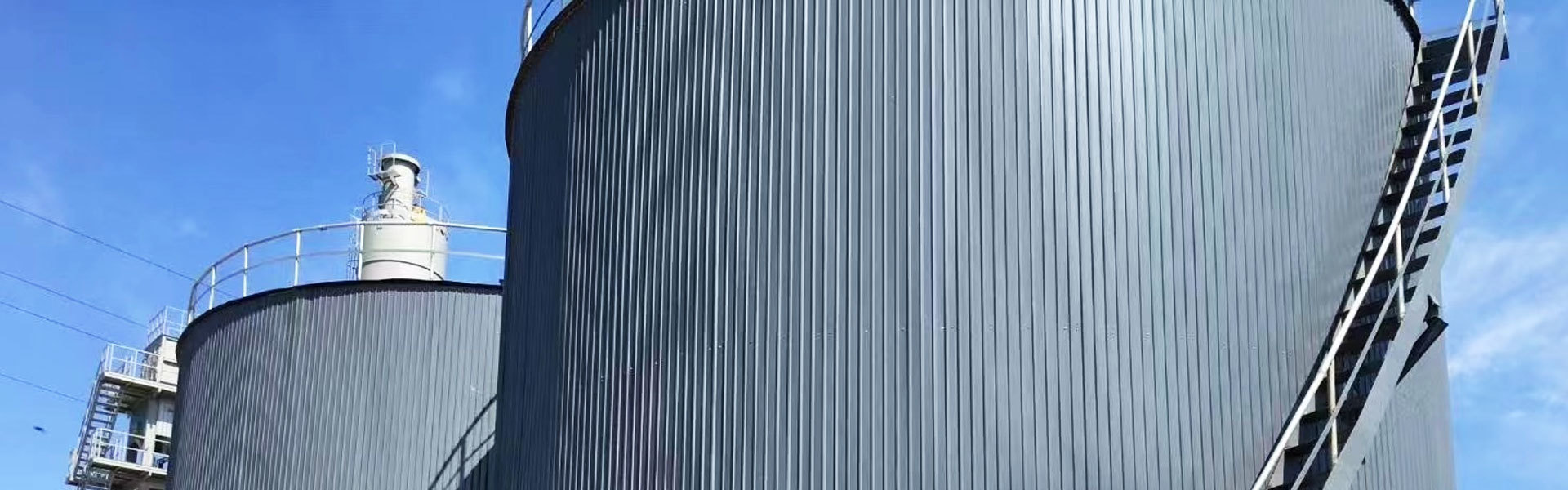
The storage tank for asphalt emulsion and raw materials needs maintenance to protect the tank body and ensure material quality.
Anti-corrosion and anti-leakage: Check the inner and outer walls of the tank daily for corrosion, coating peeling and weld cracking; clean rust and reapply anti-corrosion coating for slight corrosion, weld and repair leaking parts in time after emptying materials.
Temperature control: Maintain the specified storage temperature for asphalt emulsion and raw materials to avoid material solidification or deterioration caused by overheating or overcooling; check the operation of temperature control equipment daily.
Regular ventilation: Vent the storage tank regularly to avoid excessive pressure inside the tank; keep the tank top and breathing valve clean and unobstructed.
6. Routine Inspection and Record: Establish a Maintenance File
Conduct a comprehensive pre-startup inspection every day: Check the overall appearance, component tightness, oil level, electrical connection and instrument display of the equipment to ensure all parts are normal before operation.
Record maintenance details: Record daily cleaning, component replacement, fault handling and lubrication in a maintenance log, which can trace equipment status and provide a basis for subsequent maintenance and component replacement.
LATESTS NEWS
sphalt Tank Insulation and Anti-Corrosion Design: How to Reduce Heat Loss and Extend Equipment Service Life
2026-01-09
Asphalt Tank Core Structure Analysis: Design Key Points of Insulation Layer, Heating System and Agitation Device
2025-12-15
Asphalt Tank Selection Guide: Core Decision Factors from Capacity and Material to Heating Method
2025-12-02
Emulsified Asphalt Equipment Selection Guide: How to Match Colloid Mill Types and Production Capacity to Road Construction Needs?
2025-11-24


