

Professional manufacturer of asphalt equipment
Comparison of Different Types of Asphalt Tanks: Vertical vs. Horizontal, Fixed vs. Mobile – Pros, Cons & Suitable Project Scenarios
Release Date:
Asphalt tanks are critical for storing and heating asphalt in road construction, maintenance, and infrastructure projects. However, choosing the wrong type—such as using a fixed vertical tank for a remote temporary project or a horizontal tank for a space
Asphalt tanks are critical for storing and heating asphalt in road construction, maintenance, and infrastructure projects. However, choosing the wrong type—such as using a fixed vertical tank for a remote temporary project or a horizontal tank for a space-constrained site—can lead to increased costs (e.g., extra transportation fees, inefficient heating) or operational delays. This article compares four common asphalt tank types: vertical fixed, horizontal fixed, vertical mobile, and horizontal mobile. It breaks down their structural advantages, limitations, and ideal project scenarios, helping you align tank selection with project scale, location, and functional needs.
1. Vertical vs. Horizontal Asphalt Tanks: Core Differences in Structure, Space, and Efficiency
Vertical and horizontal tanks differ primarily in their orientation, which directly impacts space usage, heating efficiency, and asphalt discharge. Understanding these differences is key to matching the tank to on-site conditions (e.g., available land, heating requirements).
1.1 Vertical Asphalt Tanks: Tall, Space-Saving, Ideal for Fixed Sites
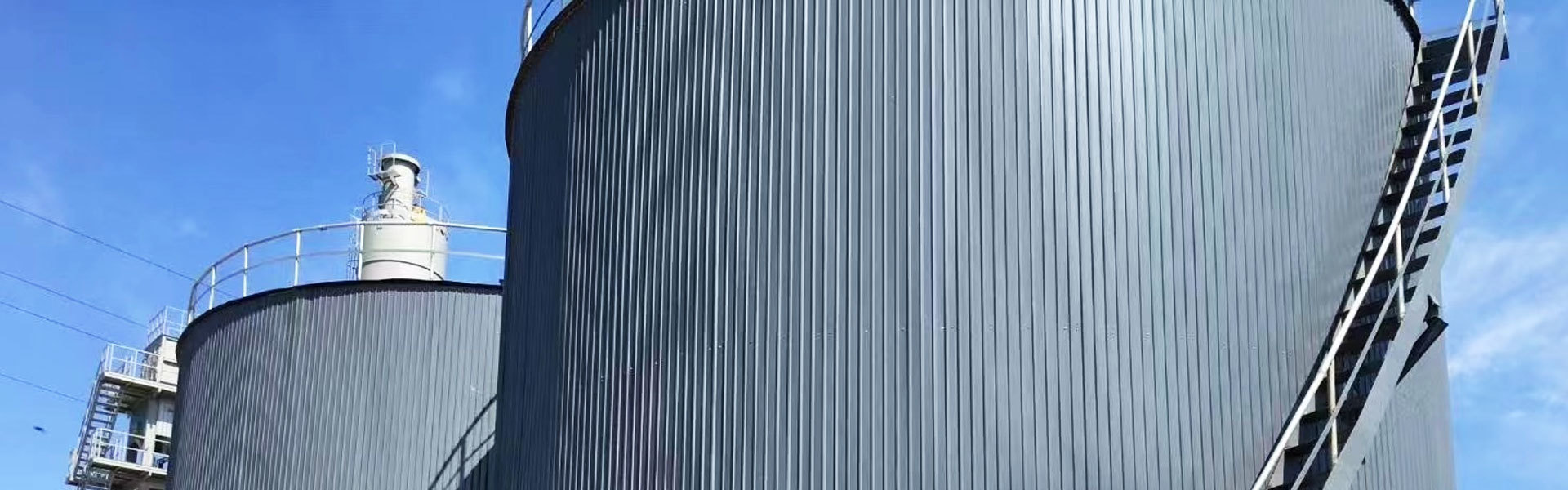
Vertical tanks have a cylindrical structure with a height much greater than their diameter (typically height-to-diameter ratio of 2:1 to 3:1). Their design prioritizes vertical space, making them suitable for sites where land is limited.
Pros:
Space Efficiency: Vertical tanks occupy minimal ground area. For example, a 50m³ vertical tank requires only 15-20㎡ of ground space (diameter ~3m), compared to 30-40㎡ for a horizontal tank of the same capacity. This is critical for urban construction sites or fixed asphalt plants where land costs are high.
Efficient Heating: Most vertical tanks use bottom-mounted heating systems (e.g., 燃油 burners, electric heating tubes) that heat asphalt from the bottom up. Hot asphalt naturally rises, creating convection currents that ensure uniform temperature distribution (temperature difference within the tank ≤ 5°C). This reduces heating time by 15-20% compared to horizontal tanks and lowers energy consumption (saving ~8-12% on fuel costs per month).
Easy Asphalt Discharge: The vertical design allows asphalt to flow downward by gravity, requiring less reliance on pumps. Discharge speed is stable (20-30 L/min for a 50m³ tank) and less prone to blockages, as sediment (e.g., small stone particles) settles at the bottom and can be cleaned out periodically without affecting discharge.
Cons:
Height Limitations: Vertical tanks typically range from 5-15m tall, making them difficult to transport (they cannot be moved once installed) and requiring careful consideration of overhead space (e.g., avoiding power lines or low-hanging structures). Maintenance (e.g., inspecting the top-mounted pressure gauge) also requires ladders or scaffolding, increasing safety risks and maintenance time.
Capacity Restrictions: While large vertical tanks (up to 500m³) exist, they require reinforced concrete foundations (costing ~$5,000-$10,000 for a 100m³ tank) to support their weight. Smaller projects (e.g., residential road repairs) may find vertical tanks oversized, as the minimum practical capacity is 20m³ (smaller vertical tanks are unstable due to their height).
Suitable Project Scenarios: Fixed asphalt mixing plants, urban road construction sites with limited land, long-term infrastructure projects (e.g., highway expansion) that require large, continuous asphalt supplies (50-500m³) and stable heating.
1.2 Horizontal Asphalt Tanks: Low, Stable, Ideal for Flexible Heating and Smaller Capacities
Horizontal tanks have a cylindrical structure with a length much greater than their diameter (length-to-diameter ratio of 3:1 to 5:1). Their low profile and balanced weight distribution make them more flexible for temporary sites and smaller capacity needs.
Pros:
Stability and Easy Installation: Horizontal tanks sit close to the ground (height ~1.5-2.5m) and require only a simple steel or concrete pad foundation (costing ~$1,000-$3,000 for a 50m³ tank), eliminating the need for heavy reinforced foundations. This reduces installation time from 1-2 weeks (for vertical tanks) to 2-3 days, making them ideal for temporary projects.
Flexible Heating Options: Horizontal tanks can use side-mounted or bottom-mounted heating systems, and some models support dual heating (e.g., fuel + electric) for areas with limited fuel access. They are also easier to insulate (the low profile reduces heat loss through the top), making them suitable for cold climates (temperature maintenance in -10°C to 0°C requires 10-15% less energy than vertical tanks).
Easy Maintenance: The low height allows maintenance personnel to access components (e.g., heating tubes, pressure relief valves) without ladders. Cleaning sediment is also simpler—sediment settles along the tank’s length, and a side-mounted drain valve lets workers flush it out without emptying the entire tank.
Cons:
Poor Space Efficiency: A 50m³ horizontal tank requires 30-40㎡ of ground space (length ~8-10m), which is impractical for small urban sites. The long length also makes it difficult to integrate into tight layouts (e.g., between existing buildings).
Uneven Heating: Horizontal tanks are prone to temperature stratification—hot asphalt rises to the top, while cooler asphalt remains at the bottom (temperature difference can reach 8-12°C). This requires additional mixing (e.g., installing a mechanical agitator) to ensure uniform temperature, increasing energy costs and maintenance needs (agitators need monthly lubrication and annual replacement).
Discharge Reliance on Pumps: The horizontal design means asphalt cannot flow entirely by gravity—residual asphalt (5-10% of total capacity) remains in the tank and requires a pump to discharge. Pumps are prone to blockages if asphalt solidifies, adding maintenance work (e.g., cleaning pump impellers every 1-2 weeks).
Suitable Project Scenarios: Temporary road repair sites (e.g., pothole fixing), rural construction projects with ample land, small-scale projects (e.g., residential street paving) requiring 5-50m³ of asphalt, and cold climates where insulation and flexible heating are critical.
2. Fixed vs. Mobile Asphalt Tanks: Differences in Mobility, Installation, and Project Adaptability
Fixed and mobile tanks differ in their ability to be relocated, which determines their suitability for long-term vs. short-term projects, and centralized vs. decentralized asphalt supply.
2.1 Fixed Asphalt Tanks: Permanent, High-Capacity, Ideal for Long-Term Projects
Fixed tanks (available in both vertical and horizontal designs) are installed permanently on-site, with fixed connections to heating systems, pipelines, and asphalt supply lines. They are designed for continuous, high-volume use.
Pros:
High Capacity and Stability: Fixed vertical tanks can reach 500m³, while fixed horizontal tanks max out at 200m³—far larger than mobile tanks (max 100m³). They are built with thicker steel (8-12mm vs. 5-8mm for mobile tanks) and reinforced foundations, making them durable (service life 15-20 years vs. 8-12 years for mobile tanks) and suitable for 24/7 operation.
Integrated Systems: Fixed tanks are connected to permanent heating systems (e.g., large-scale fuel boilers), automated temperature controls, and asphalt transport pipelines. This integration reduces manual labor (e.g., no need to connect temporary hoses) and improves efficiency—heating time for a 100m³ fixed tank is 4-6 hours, compared to 6-8 hours for a mobile tank of the same capacity.
Low Operating Costs: Permanent connections eliminate the need for temporary equipment (e.g., mobile generators, temporary pipelines), reducing monthly operating costs by 15-20%. Fixed tanks also have lower maintenance costs (annual maintenance ~$1,000-$2,000 for a 100m³ tank) because their components are not subjected to the vibration and wear of transportation.
Cons:
High Initial Investment: Fixed tanks require significant upfront costs, including the tank itself ($20,000-$50,000 for a 100m³ vertical tank), foundation construction ($5,000-$10,000), and system integration ($10,000-$15,000). This makes them uneconomical for short-term projects (less than 6 months).
No Mobility: Once installed, fixed tanks cannot be relocated. If a project ends or the site is repurposed, the tank becomes a sunk cost—removing and reinstalling a fixed tank costs ~50% of its original price, which is rarely feasible.
Suitable Project Scenarios: Permanent asphalt plants, large-scale infrastructure projects (e.g., highway construction) lasting 1 year or more, and urban areas with ongoing road maintenance needs (e.g., city municipal departments) that require a centralized, high-capacity asphalt supply.
LATESTS NEWS
sphalt Tank Insulation and Anti-Corrosion Design: How to Reduce Heat Loss and Extend Equipment Service Life
2026-01-09
Asphalt Tank Core Structure Analysis: Design Key Points of Insulation Layer, Heating System and Agitation Device
2025-12-15
Asphalt Tank Selection Guide: Core Decision Factors from Capacity and Material to Heating Method
2025-12-02
Emulsified Asphalt Equipment Selection Guide: How to Match Colloid Mill Types and Production Capacity to Road Construction Needs?
2025-11-24


